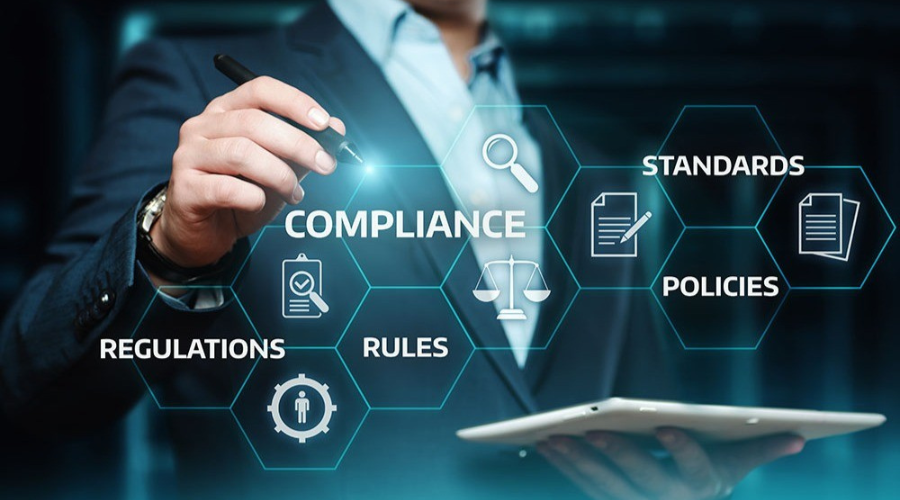


In the digital era, compliance has evolved from being a legal requirement to becoming a core business responsibility. Organizations today operate in an environment where data is one of their most valuable assets—and also one of their biggest risks. From customer payment details to personal identities and confidential business information, data breaches or compliance failures can have long-lasting consequences.
Regulatory frameworks such as PCI DSS, ISO, SOC, HIPAA, and GDPR were introduced to protect data integrity, privacy, and security. However, many businesses still view compliance as a burden rather than an opportunity. This mindset often leads to last-minute audits, rushed documentation, and reactive security measures.
At Accorp Savvyforge, we believe compliance should be proactive, structured, and aligned with business objectives. When implemented correctly, compliance frameworks help organizations improve internal governance, streamline processes, and reduce operational risk. They also create transparency—both internally and externally—by clearly defining roles, responsibilities, and accountability.
Beyond regulatory pressure, customers and partners increasingly demand proof of compliance before engaging with a business. Certifications and audit reports act as trust signals, demonstrating that an organization takes security and privacy seriously.
In a competitive market, compliance is no longer optional—it is a strategic advantage. Organizations that invest in compliance early are better prepared for growth, global expansion, and evolving regulatory landscapes.